


Best Seasons and Weather Conditions for Mushroom Hunting
Mushroom hunting is a rewarding outdoor activity that blends nature exploration with culinary excitement. But timing is everything — knowing when mushrooms thrive helps you find abundant, high-quality harvests while making your foraging trip safer and more enjoyable. From seasonal patterns to ideal weather conditions, here’s your complete guide to planning the perfect mushroom-hunting trip.
Best Seasons and Weather Conditions for Mushroom Hunting
Best Seasons for Mushroom Hunting
While mushroom varieties appear throughout the year, certain seasons offer prime growth conditions and greater species diversity.
Spring (March – May)
Spring marks the beginning of peak mushroom season, especially for beloved species like morels.
Why spring is ideal:
-
Moist, cool soil
-
Mild daytime temperatures
-
Fresh decaying plant matter from winter
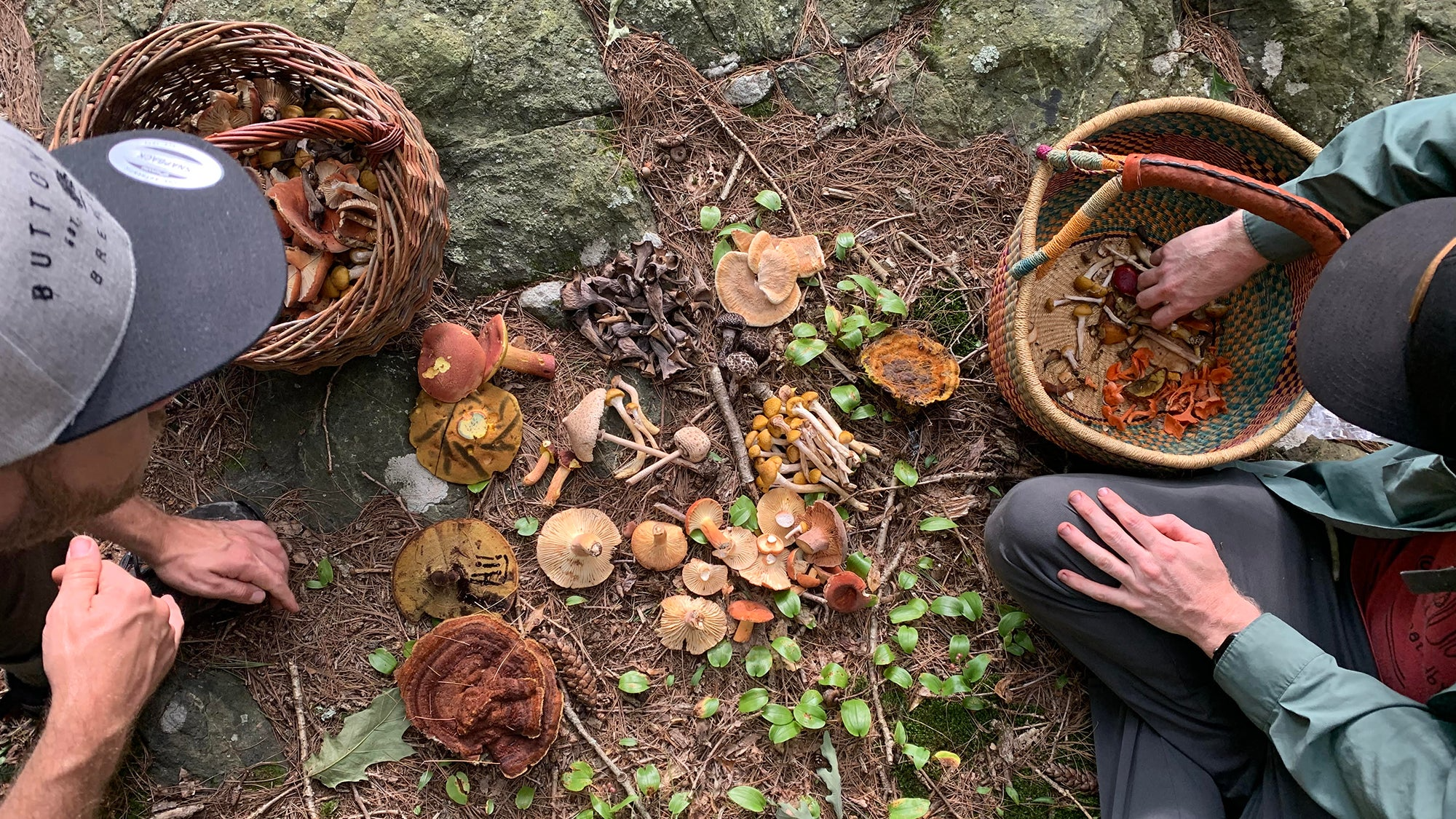
Popular spring mushrooms:
-
Morels
-
Oysters
-
Turkey Tail
-
Pheasant Back
Spring is the season most foragers eagerly await — forests come alive with early growth and highly prized gourmet mushrooms.

Summer (June – August)
Summer brings warmth, humidity, and rapid fungal growth — especially after summer storms.
Why summer works well:
-
Warm evenings + rain encourage fast growth
-
Dense foliage creates shaded, moist environments
Popular summer mushrooms:
-
Chanterelles
-
Chicken of the Woods
-
Boletes
-
Black Trumpets
Early morning hunts after warm rainstorms are especially productive.
Fall (September – November) — Peak Season
Autumn is considered the best season for mushroom hunting thanks to cool temperatures and steady moisture.
Why fall is peak foraging time:
-
Perfect mix of cool air + warm soil
-
Frequent rainfall
-
Leaf fall creates rich organic matter
Popular fall mushrooms:
-
Porcini (Boletes)
-
Maitake (Hen of the Woods)
-
Oyster mushrooms
-
Shiitake (wild logs)
-
Puffballs
If you plan to forage only once a year, make it during the fall season.
Winter (December – February) — Limited but Possible
Winter foraging is more challenging, but hardy mushrooms still grow in the cold.
Cold-tolerant species include:
-
Winter Oysters
-
Velvet Foot
-
Turkey Tail
-
Wood Ear
Look on hardwood logs and stumps — many winter mushrooms thrive on decaying wood rather than soil.

Ideal Weather Conditions for Mushroom Growth
Season matters, but weather triggers mushroom fruiting. The best time to go foraging is shortly after these conditions:
Rain + Warmth
Mushrooms often emerge 1–3 days after rainfall when soil stays damp.
Ideal temperature range:
-
Spring/Fall: 50°F – 70°F (10°C – 21°C)
-
Summer species: up to 85°F (29°C) with shade and humidity
Humidity Matters
Moist, shaded areas — leaf litter, mossy wood, and forest floors — help mushrooms flourish.
Cloudy Days
Overcast weather prevents mushrooms from drying out and makes hunting more pleasant.
Light Wind
Keeps the forest airing and reduces mold, encouraging healthy growth.
Best Time of Day for Mushroom Hunting
-
Early morning — cooler temperatures and higher humidity keep mushrooms fresh and easier to spot
-
Avoid hot, dry afternoons that cause mushrooms to wilt or disappear
Extra Tips for Successful Foraging
-
Look near decaying logs, leaf piles, tree roots, and mossy soil
-
Carry a breathable mesh bag to spread spores as you walk
-
Use a sharp mushroom knife to cut cleanly and protect the mycelium
-
Study species — accurate identification is essential for safety
Final Thoughts
The best mushroom-hunting seasons and conditions include:
| Season | Why It’s Good | Top Species |
|---|---|---|
| Spring | Mild temps, fresh growth | Morels, oysters |
| Summer | Warm humidity after rain | Chanterelles, chicken of the woods |
| Fall (Peak) | Perfect moisture + soil warmth | Porcini, maitake |
| Winter | Limited but possible | Velvet foot, turkey tail |
Key weather factor: rain + mild temperatures = mushroom bloom.
Whether you're foraging as a hobby or stocking your kitchen with wild treasures, timing your hunts correctly ensures both a fruitful harvest and a magical experience in nature.