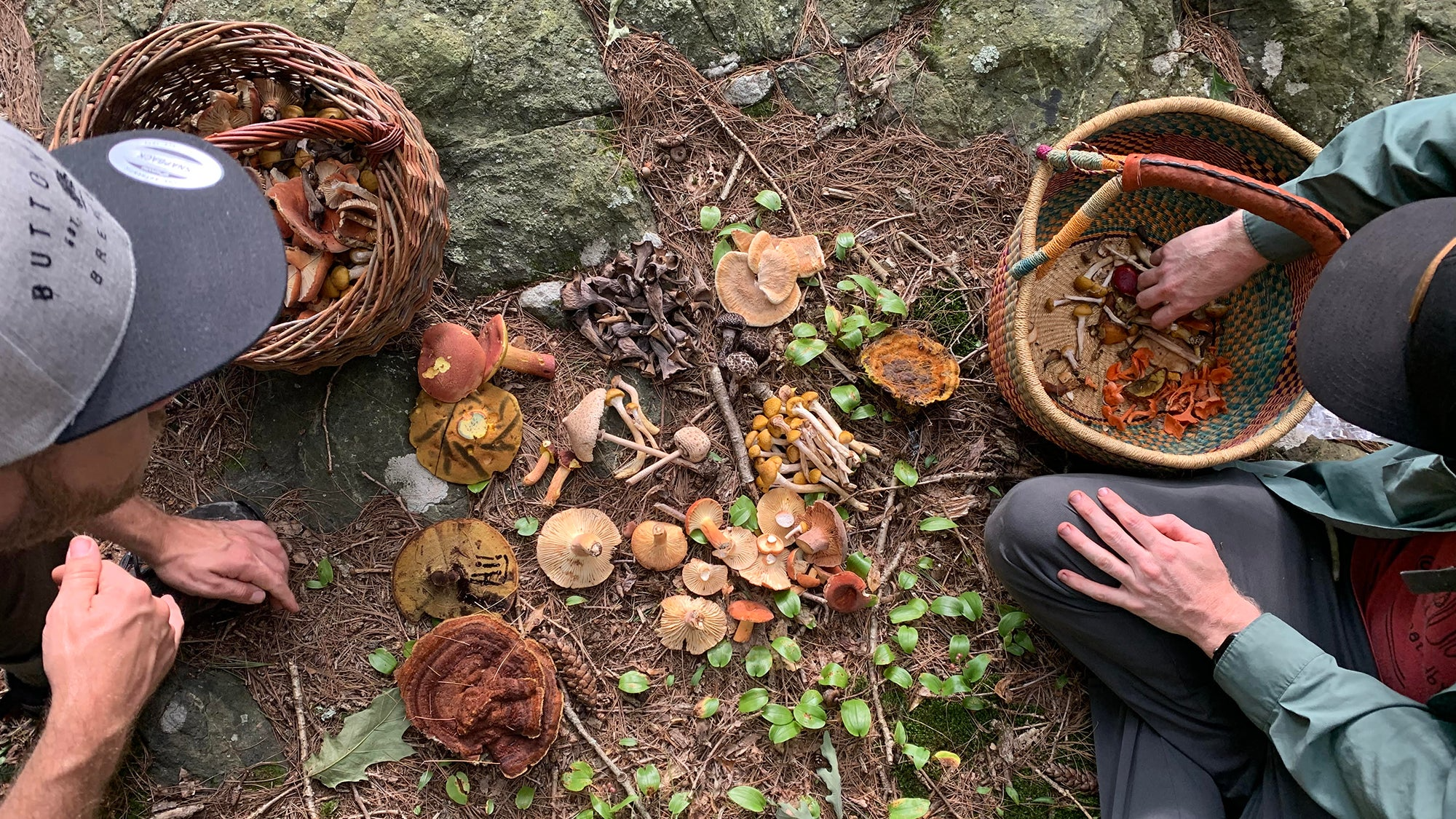



Woran erkennt man, dass es für das Pilzesammeln zu spät ist?
Zu wissen, wann ein Pilz zu alt zum Pflücken ist, ist sowohl für die Sicherheit als auch für die Qualität entscheidend. Überreife Pilze verlieren nicht nur an Geschmack und Textur, sondern können auch Bakterien oder Insekten beherbergen oder sogar giftig werden. Hier erfahren Sie, woran Sie erkennen, wann es zu spät für die Ernte ist – egal, ob Sie in der freien Natur sammeln oder Ihre Funde zu Hause überprüfen.
Woran erkennt man, wann es zu spät ist, einen Pilz zu pflücken?
1. Der Hut ist dunkel oder schleimig geworden
Wenn der Hut dunkel, weich oder mit Schleim bedeckt ist, hat er seine beste Zeit hinter sich. Frische Pilze sollten eine feste Konsistenz und eine trockene (aber nicht brüchige) Oberfläche haben. Schleimigkeit ist ein Zeichen von Verfall und mikrobieller Aktivität – entsorgen Sie solche Pilze sofort.
2. Die Ränder rollen sich auf oder krümeln
Wenn sich die Hutränder nach oben biegen, einreißen oder leicht zerbröckeln, trocknet der Pilz aus und verliert an Struktur. Das bedeutet, er ist nicht mehr zum Verzehr geeignet und hat möglicherweise bereits begonnen zu zersetzen.

3. Der Stiel fühlt sich hohl oder matschig an
Der Stiel eines gesunden Pilzes ist fest und elastisch. Wenn er sich schwammig, hohl oder wässrig anfühlt, hat die Zersetzung bereits im Inneren begonnen. Sammeln Sie solche Exemplare nicht, da sie schnell verderben und Insekten anlocken.
4. Anwesenheit von Insekten, Larven oder Würmern
Ausgewachsene Pilze werden oft von kleinen Insekten besiedelt. Wenn Sie winzige Löcher, Gespinste oder Bewegung in den Lamellen oder im Stiel bemerken, lassen Sie den Pilz am besten stehen. Diese Anzeichen deuten darauf hin, dass er bereits von Insekten oder Larven befallen ist.
5. Verfärbung und unangenehmer Geruch
Ein starker ammoniakartiger, saurer oder fauliger Geruch ist ein klares Anzeichen dafür, dass der Pilz verrottet. Die Farbe kann sich je nach Art auch braun, grau oder fleckig verändern. Vertrauen Sie Ihrer Nase – wenn er unangenehm riecht, lassen Sie ihn stehen.
6. Die Lamellen sind dunkel oder haben Sporen freigesetzt
Bei vielen Speisepilzen (wie Steinpilzen oder Pfifferlingen) gilt der Pilz als überreif, sobald die Lamellen ihre Sporen freigesetzt haben. Dunkle oder pulverige Lamellen bedeuten, dass der Fortpflanzungszyklus abgeschlossen ist und die Konsistenz unangenehm weich oder der Geschmack bitter sein wird.
7. Hinweise aus der Umgebung
Wenn Sie Pilze nach mehreren Tagen mit starkem Regen oder Frost finden, könnten sie bereits zu alt sein. Übermäßige Feuchtigkeit beschleunigt den Verfall, während Frost die Zellstruktur schädigt, was den Pilz ungenießbar macht.
8. Experten-Tipp – Lernen Sie die Lebensdauer der Art
Jede Pilzart hat ihr eigenes Wachstumsfenster. Zum Beispiel:
-
Steinpilz: 5–7 Tage in gutem Zustand nach dem Erscheinen
-
Pfifferling: bis zu 10 Tage bei mildem Wetter
-
Austernseitling: nur 3–4 Tage, bevor er weich wird und verdirbt
Das Studium des Lebenszyklus Ihrer Zielart hilft Ihnen, zum perfekten Zeitpunkt zu ernten.

Abschließender Rat
Im Zweifelsfall: Pflücken oder essen Sie keine zweifelhaften Pilze. Überreife oder zersetzte Pilze können zu Magenproblemen oder Schlimmerem führen. Sammeln Sie grundsätzlich nur feste, frische Exemplare und bewahren Sie diese bis zur Reinigung kühl auf.